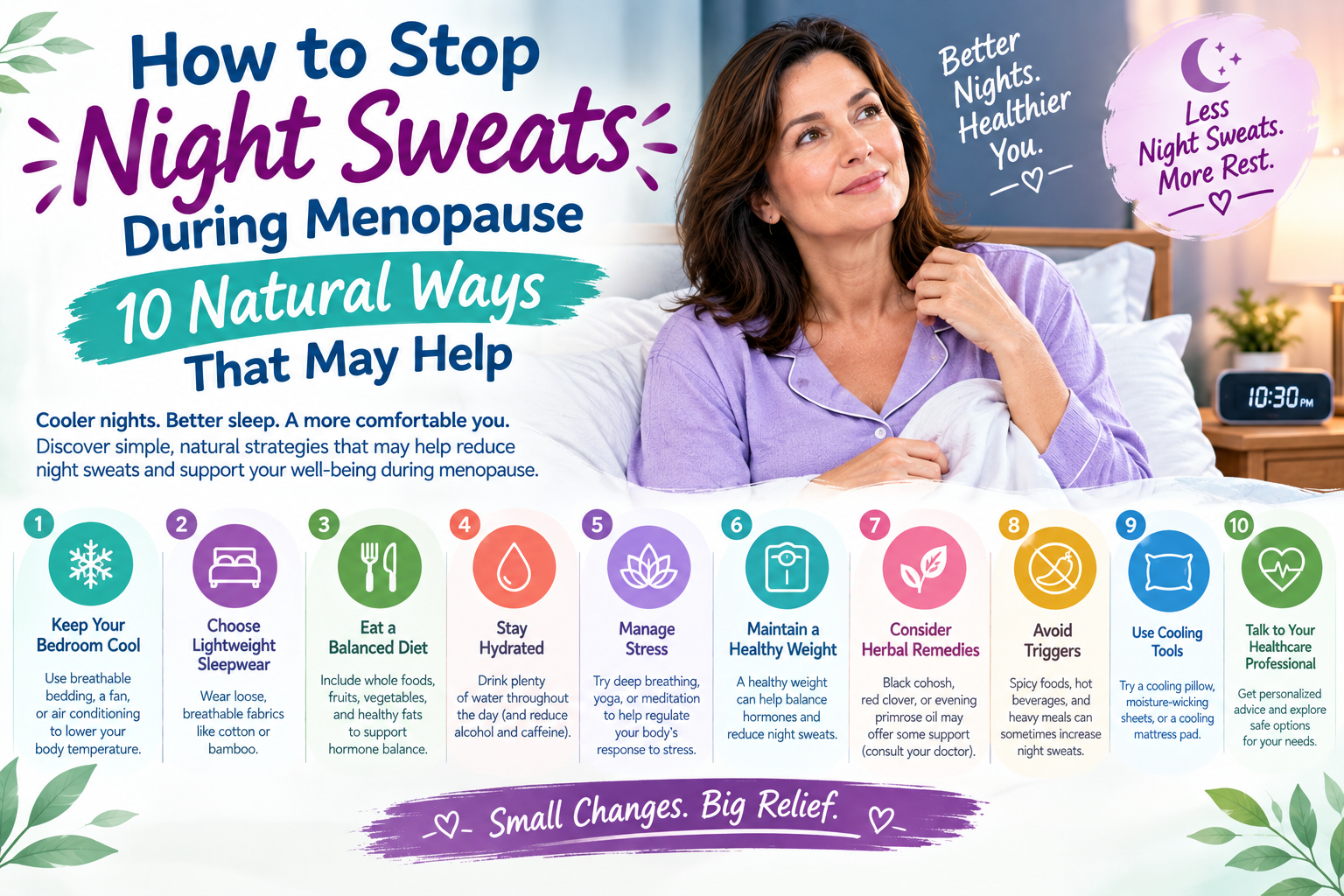
Waking up in the middle of the night feeling unusually hot and sweaty can be one of the most frustrating symptoms of menopause. Night sweats may soak your pajamas or bedding, disturb your sleep, and leave you feeling tired the next morning. For some women, they happen occasionally, while others experience them several times a week or even every night.
Night sweats during menopause are closely related to the same hormonal changes that cause hot flashes during the day. As estrogen levels fluctuate and decline, the body’s temperature-regulation system can become more sensitive. A small change in body temperature may trigger sweating and wake you from sleep.
Although there is no guaranteed natural way to completely stop night sweats, several lifestyle strategies may help reduce triggers and make nighttime episodes easier to manage.
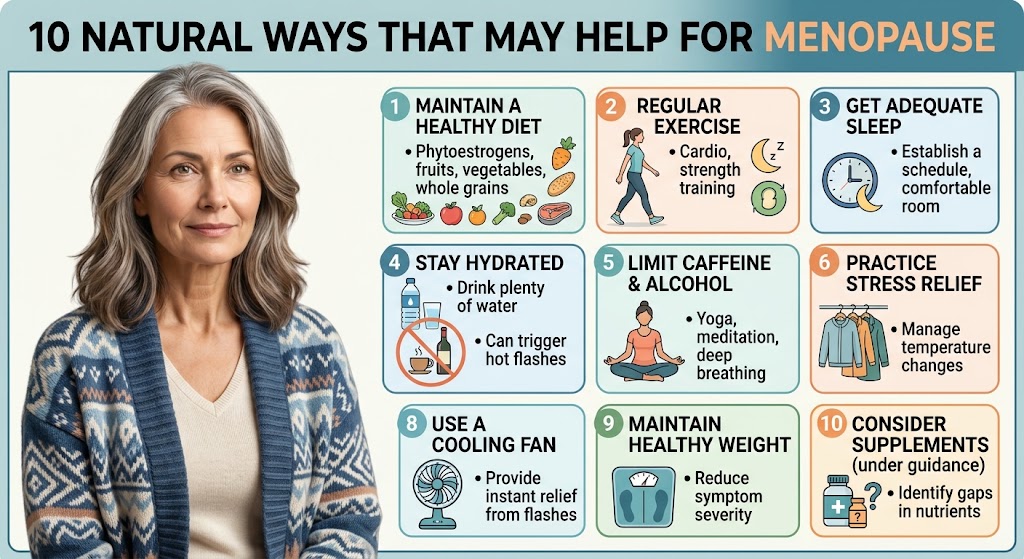
Here are 10 natural ways that may help with menopause-related night sweats.
What Causes Night Sweats During Menopause?
Click Here To Visit Website For Menopause Symptoms Treatment!..
Night sweats are episodes of excessive sweating that occur during sleep. When they are related to menopause, they are often considered the nighttime version of hot flashes.
During perimenopause and menopause, changing estrogen levels can affect the hypothalamus, the part of the brain responsible for regulating body temperature.
When the body incorrectly senses that it is becoming too warm, it may respond by increasing blood flow to the skin and activating sweat glands. You may suddenly feel extremely hot, sweat heavily, and then become cold as your body cools down.
Night sweats can also be influenced by factors such as room temperature, bedding, stress, alcohol, caffeine, spicy foods, and certain medications.
Click Here To Visit Website For Menopause Symptoms Treatment!..
1. Keep Your Bedroom Cool
One of the easiest ways to make night sweats more manageable is to keep your sleeping environment cool.
A warm bedroom can make sweating episodes more uncomfortable and may make it harder to fall back asleep.
Consider:
- Keeping the bedroom comfortably cool
- Using a fan or air conditioner when needed
- Opening a window when weather conditions allow
- Choosing lightweight bedding
- Avoiding heavy blankets
- Wearing breathable sleepwear
You can also keep a glass or bottle of cool water beside your bed.
The goal is not necessarily to prevent every night sweat but to create an environment where your body can cool down more easily.
2. Choose Breathable Sleepwear and Bedding
The materials touching your skin can make a noticeable difference when you experience nighttime sweating.
Heavy pajamas and thick synthetic fabrics may trap heat. Instead, consider lightweight, breathable materials that allow moisture and heat to escape.
Cotton and other breathable fabrics may feel more comfortable for some people.
Layering bedding can also be useful. Rather than using one heavy blanket, use several lighter layers that can be removed easily when you become hot.
If your sheets become damp frequently, keeping an extra set nearby can make nighttime changes less disruptive.
3. Identify Your Night-Sweat Triggers
Different people have different triggers for hot flashes and night sweats.
Potential triggers include:
- Alcohol
- Caffeine
- Spicy foods
- Hot beverages
- Smoking
- Stress
- Warm rooms
- Heavy meals close to bedtime
- Certain medications
Keeping a simple night-sweat diary can help you identify patterns.
Record what you ate and drank during the evening, your activity level, your stress level, the bedroom temperature, and whether you experienced night sweats.
After several weeks, you may notice that certain habits consistently occur before an episode.
Once you know your personal triggers, you can experiment with reducing them rather than avoiding foods or activities unnecessarily.
4. Limit Caffeine in the Evening
Caffeine is found in coffee, tea, energy drinks, cola, chocolate, and some medications.
For some women, caffeine may worsen hot flashes or interfere with sleep. Because caffeine can remain active in the body for several hours, consuming it late in the day may make nighttime symptoms more noticeable.
Try limiting caffeine in the afternoon and evening if you suspect it contributes to your symptoms.
You do not necessarily need to eliminate caffeine completely. Experiment with timing and quantity to determine what works best for you.
If you regularly consume large amounts of caffeine, reducing it gradually may be more comfortable than stopping suddenly.
5. Be Careful With Alcohol
Alcohol can trigger hot flashes and night sweats in some people. It may also interfere with normal sleep patterns.
You may fall asleep quickly after drinking alcohol but experience more disrupted sleep later in the night.
If you notice that night sweats are more frequent after drinking, reducing alcohol or avoiding it in the evening may help.
For some women, even a small amount can trigger symptoms, while others may not notice a connection.
Keeping a symptom diary can help you determine whether alcohol is a personal trigger.
6. Practice Relaxation Before Bed
Stress and anxiety can affect sleep and may make menopause symptoms more difficult to manage.
Creating a relaxing routine before bedtime may help your body transition into sleep.
Consider trying:
- Slow breathing
- Meditation
- Gentle stretching
- Mindfulness
- Reading
- Progressive muscle relaxation
- Gentle yoga
For example, spend five to ten minutes taking slow, comfortable breaths while consciously relaxing your shoulders, jaw, and other tense muscles.
Relaxation techniques may not completely prevent night sweats, but they can help reduce stress and make it easier to return to sleep after waking.
7. Exercise Regularly—But Time It Wisely
Regular physical activity provides many benefits during menopause.
Exercise can support heart health, muscle strength, bone density, mood, and sleep quality.
Walking, swimming, cycling, strength training, yoga, and other moderate activities can all be useful.
However, exercising intensely immediately before bedtime may leave some people feeling overheated or energized.
If nighttime exercise appears to worsen your symptoms, try moving your workout to the morning or afternoon.
You do not need extreme exercise to benefit. Consistency is generally more important than intensity.
8. Maintain a Balanced Diet and Healthy Weight
Your eating habits can influence overall health during menopause.
A balanced diet can include:
- Vegetables
- Fruits
- Whole grains
- Beans and lentils
- Nuts and seeds
- Lean protein
- Fish
- Healthy fats
Some women report that spicy foods or very hot meals trigger sweating, so consider reducing them if you notice a connection.
Maintaining a healthy weight may also be helpful. Some research has associated higher body weight with more frequent or bothersome vasomotor symptoms, although individual experiences vary.
Avoid extreme diets or rapid weight-loss programs. Sustainable eating habits are a better long-term approach.
9. Stay Hydrated During the Day
Night sweats can cause fluid loss, especially when sweating is heavy or occurs repeatedly.
Drinking enough water throughout the day can help maintain normal hydration.
Keep water beside your bed so that you can drink if you wake up sweating.
If you exercise or spend time in a hot environment, you may need additional fluids.
However, drinking very large amounts of water immediately before bed can cause frequent trips to the bathroom and further disrupt your sleep.
A better approach is to drink regularly throughout the day and adjust your intake based on thirst, activity, and environmental conditions.
10. Create a Consistent Sleep Routine
Good sleep habits can make it easier to cope with nighttime menopause symptoms.
Try to maintain a regular bedtime and wake-up time, even on weekends.
A calming bedtime routine may include taking a warm—not excessively hot—shower, reading, gentle stretching, or practicing relaxation techniques.
Also consider reducing bright screens and stimulating activities before bed.
Keep your bedroom dark, quiet, and comfortably cool.
If you wake up during a night sweat, avoid becoming frustrated with yourself. Change damp clothing or bedding if necessary, cool down, take a few slow breaths, and return to bed when you feel comfortable.
Keep a Night-Sweat Diary
A diary can help you discover patterns that might otherwise be difficult to notice.
For each episode, record:
- The approximate time
- How severe the sweating was
- What you ate in the evening
- Caffeine or alcohol consumption
- Exercise
- Stress level
- Bedroom temperature
- Clothing and bedding
- How well you slept afterward
After two or three weeks, look for repeated patterns.
For example, you might notice that night sweats are more likely after alcohol, spicy food, stressful days, or sleeping in a warm room.
This information can help you make targeted lifestyle changes.
What About Natural Supplements?

Click Here To Visit Website For Menopause Symptoms Treatment!..
Many products are marketed as natural solutions for menopause symptoms. These may include herbal products, vitamins, minerals, and plant-based compounds.
Some women consider products such as black cohosh, soy isoflavones, red clover, or evening primrose oil.
However, evidence for many supplements is mixed, and natural products are not automatically safe or effective.
Some supplements can interact with medications or may be inappropriate for people with certain medical conditions.
If you are considering an herbal supplement for night sweats, talk with a healthcare professional first. This is particularly important if you take prescription medications or have a chronic medical condition.
When Should You See a Healthcare Professional?

Click Here To Visit Website For Menopause Symptoms Treatment!..
Night sweats are common during menopause, but not every episode of nighttime sweating is caused by hormonal changes.
Consider talking with a healthcare professional if your night sweats:
- Occur very frequently
- Soak your clothing or bedding regularly
- Significantly disrupt your sleep
- Are becoming progressively worse
- Occur alongside unexplained weight loss
- Are accompanied by fever or other concerning symptoms
- Begin unusually early
- Are interfering with daily activities
Other medical conditions and medications can cause night sweats, so persistent or unusual symptoms deserve appropriate evaluation.
If you are unsure whether your symptoms are related to menopause, a healthcare professional can review your menstrual history, medications, symptoms, and overall health.
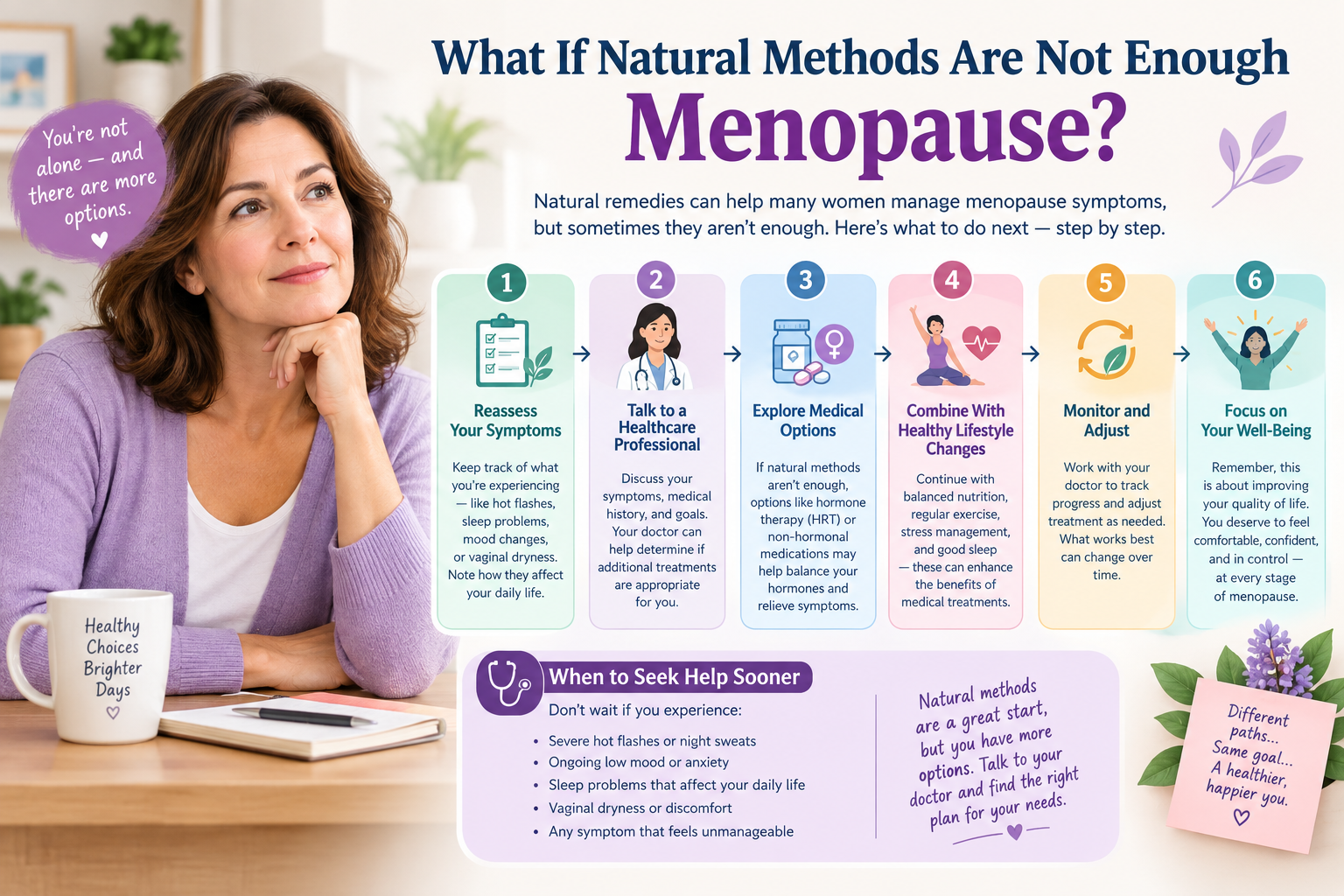
What If Natural Methods Are Not Enough?
Click Here To Visit Website For Menopause Symptoms Treatment!..
Lifestyle strategies can be helpful, but they do not work for everyone.
If night sweats remain severe despite lifestyle changes, several medical treatments may be available. Depending on your health history and individual risk factors, a healthcare professional may discuss menopausal hormone therapy or nonhormonal treatment options.
Treatment decisions should be personalized.
You do not need to suffer through severe sleep-disrupting symptoms simply because they are associated with menopause.
Final Thoughts
Night sweats can make menopause particularly challenging because they interrupt one of the body’s most important recovery processes: sleep.
Although there is no guaranteed natural cure, several practical strategies may help. Keeping the bedroom cool, choosing breathable sleepwear, identifying triggers, limiting evening caffeine and alcohol, practicing relaxation, exercising regularly, eating a balanced diet, staying hydrated, maintaining a healthy weight, and following a consistent sleep routine can all support better nighttime comfort.
Start with one or two changes rather than trying everything at once. A night-sweat diary can help you determine which habits make the biggest difference for you.
If night sweats are severe, persistent, or accompanied by unusual symptoms, speak with a qualified healthcare professional. Menopause-related night sweats are common, but persistent nighttime sweating should not automatically be assumed to be caused by menopause.