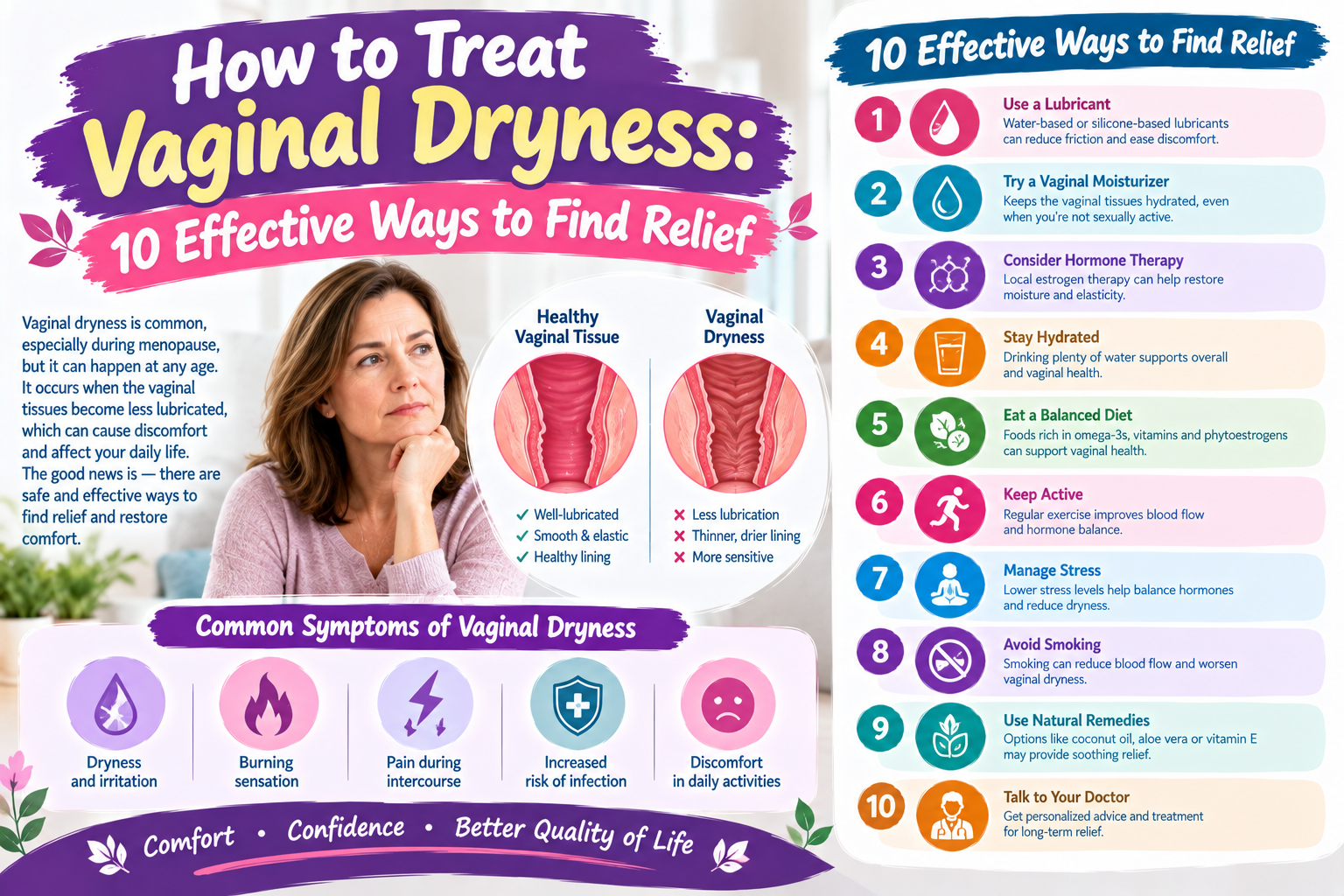
Vaginal dryness is a common concern that can affect women at different stages of life. It may cause itching, burning, irritation, discomfort during sexual activity, or a feeling of tightness in the vaginal area. Although it is particularly common during menopause, vaginal dryness can also occur after childbirth, while breastfeeding, due to certain medications, or as a result of other hormonal and medical changes.
Vaginal dryness can affect physical comfort, intimacy, sleep, and quality of life. The good news is that several treatments are available, ranging from over-the-counter vaginal moisturizers to prescription therapies. The most suitable approach depends on the underlying cause, the severity of symptoms, and your personal health history.
What Causes Vaginal Dryness?
Click Here To Visit Website For Menopause Symptoms Treatment!..
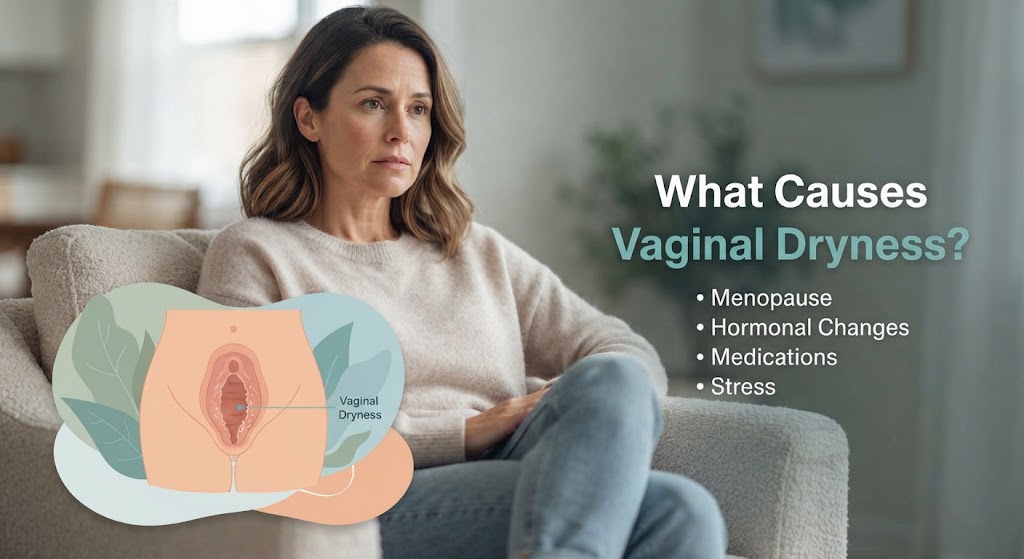
Vaginal dryness often develops when the tissues of the vagina produce less natural moisture or become thinner and less elastic. Estrogen plays an important role in maintaining vaginal tissue health, moisture, and flexibility.
Common causes include:
- Menopause: Falling estrogen levels can lead to vaginal dryness and thinning of vaginal tissues.
- Breastfeeding: Hormonal changes during breastfeeding may temporarily reduce estrogen levels.
- Childbirth: Hormonal changes after delivery can contribute to dryness, particularly while breastfeeding.
- Certain medications: Some hormonal treatments, allergy medicines, and other medications may contribute to dryness.
- Cancer treatments: Chemotherapy, pelvic radiation, and certain hormone-blocking treatments can affect vaginal tissues.
- Stress and sexual discomfort: Stress, anxiety, or insufficient arousal may contribute to reduced lubrication during sexual activity.
- Medical conditions: Certain conditions or treatments that affect hormones or vaginal tissue may contribute to symptoms.
Persistent dryness should not automatically be attributed to menopause. Other conditions, including infections and skin disorders, can cause similar symptoms and may require different treatment.
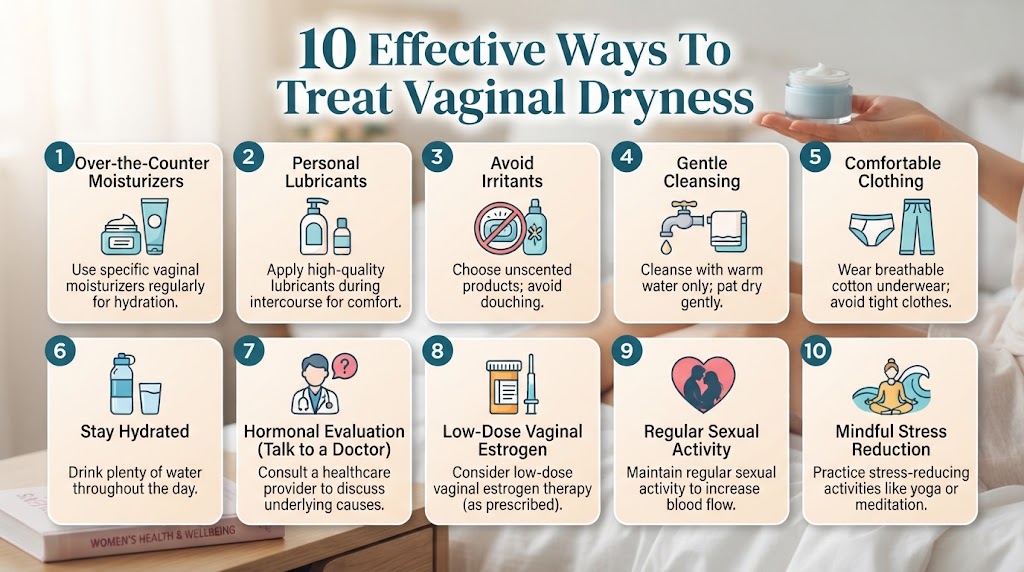
10 Effective Ways To Treat Vaginal Dryness
Click Here To Visit Website For Menopause Symptoms Treatment!..
1. Use a Vaginal Moisturizer Regularly
Vaginal moisturizers are one of the most accessible options for relieving ongoing vaginal dryness. Unlike lubricants, which are mainly used during sexual activity, moisturizers are designed to provide longer-lasting hydration.
They help retain moisture in vaginal tissues and may reduce irritation, tightness, and discomfort.
When choosing a vaginal moisturizer:
- Select a product specifically designed for vaginal use.
- Choose fragrance-free options to reduce the risk of irritation.
- Follow the instructions on the product label.
- Use it regularly as directed, rather than only when symptoms occur.
Some moisturizers contain ingredients such as hyaluronic acid, which can help retain water. Individual responses vary, so you may need professional guidance to select a suitable product.
Avoid using ordinary body lotions, scented creams, or products not intended for vaginal tissue, as these may cause irritation.
2. Apply a Suitable Lubricant During Sexual Activity
Vaginal lubricants can reduce friction and discomfort during sexual activity. They are particularly helpful when dryness causes pain, irritation, or a burning sensation during penetration.
There are several types of lubricants:
- Water-based lubricants: Generally easy to wash off and compatible with most condoms and sexual devices.
- Silicone-based lubricants: Often last longer and may be useful when additional lubrication is needed.
- Oil-based lubricants: Some may be unsuitable with latex condoms because oils can weaken latex.
Choose a lubricant that is fragrance-free and intended for intimate use. Avoid products that cause stinging, itching, or burning.
Lubricants can improve comfort during sex, but they do not treat the underlying cause of persistent vaginal dryness. If pain continues despite lubrication, consult a healthcare professional.
3. Ask About Vaginal Estrogen Therapy
For dryness associated with low estrogen, particularly during and after menopause, vaginal estrogen may be an effective treatment.
Low-dose vaginal estrogen is available in different forms, including:
- Vaginal creams
- Vaginal tablets or inserts
- Vaginal rings
These treatments deliver estrogen to vaginal tissues to help improve moisture, elasticity, and tissue health. They may also relieve other symptoms associated with genitourinary syndrome of menopause, such as burning, irritation, and some urinary symptoms.
Vaginal estrogen is not suitable for everyone. People with a history of certain hormone-sensitive cancers or other relevant medical conditions should discuss the potential benefits and risks with their healthcare team. Some may require advice from a specialist.
A healthcare professional can determine whether vaginal estrogen is appropriate and explain how to use it safely. Do not use prescription hormone treatments without medical guidance.
4. Consider Non-Hormonal Treatments
If you cannot use estrogen or prefer a non-hormonal approach, other treatments may help.
Vaginal moisturizers and lubricants are commonly used non-hormonal options. Depending on the cause and symptoms, a healthcare professional may also discuss other prescription treatments.
For example, some prescription therapies are designed for moderate to severe menopausal symptoms, but they have specific indications, risks, and eligibility requirements. They are not appropriate for every person experiencing vaginal dryness.
If you have a history of breast cancer or another condition that limits hormone treatment, ask your healthcare professional about options tailored to your medical history.
Avoid relying on products marketed as natural hormone boosters or vaginal rejuvenation treatments without reliable evidence of safety and effectiveness.
5. Avoid Irritating Soaps and Feminine Hygiene Products
Some hygiene products can irritate sensitive vaginal and vulvar tissues, potentially making dryness and discomfort worse.
Try to avoid:
- Scented soaps and body washes around the vulva
- Perfumed sprays and deodorants
- Scented wipes
- Vaginal douches
- Bubble baths that cause irritation
- Strong detergents on underwear
- Products that cause itching or burning
The vagina is self-cleaning, so internal washing or douching is unnecessary and can disturb its natural environment.
For external cleaning, gently wash the vulva with lukewarm water. If you use a cleanser, choose a mild, fragrance-free product and stop using it if irritation develops. Pat the area dry rather than rubbing it.
Simple hygiene practices can help prevent additional irritation while other treatments address dryness.
6. Support Vaginal Health With Healthy Lifestyle Habits
Healthy lifestyle habits can support general well-being and may help reduce factors that worsen discomfort. However, lifestyle changes alone may not resolve dryness caused by low estrogen or other medical conditions.
Consider the following habits:
- Eat a balanced diet with vegetables, fruits, whole grains, protein, and healthy fats.
- Drink adequate fluids according to your individual needs.
- Stay physically active with exercise suited to your health.
- Get consistent, sufficient sleep.
- Manage stress through relaxation, gentle movement, or other helpful activities.
- Avoid smoking, which can affect circulation and overall tissue health.
There is no specific food or drink proven to cure vaginal dryness. A nutritious diet supports general health, but it should not replace an effective treatment when symptoms persist.
7. Allow Enough Time for Arousal and Use Gentle Intimacy Practices
For some people, dryness is most noticeable during sexual activity and may be associated with insufficient natural lubrication or discomfort that makes intimacy stressful.
Allowing more time for arousal and communicating openly with a partner may help improve comfort. A suitable lubricant can also reduce friction.
If penetration is painful, do not force it. Consider pausing, changing activities, or focusing on forms of intimacy that feel comfortable.
Persistent pain during sex should be evaluated, as it may be caused by vaginal tissue changes, pelvic floor muscle tension, infection, skin conditions, or other medical issues.
If intimacy has become stressful or painful, a healthcare professional may recommend additional support, such as pelvic floor physiotherapy or counseling, depending on the underlying cause.
8. Discuss Pelvic Floor Physiotherapy if Needed
Vaginal dryness may occur alongside pelvic floor muscle tension or pain, particularly when discomfort during sex has continued for some time.
Pelvic floor physiotherapy can help some people who experience painful penetration, pelvic muscle tightness, or difficulty relaxing the pelvic floor.
A trained pelvic health physiotherapist may assess muscle function and recommend individualized techniques, which can include:
- Relaxation exercises
- Breathing techniques
- Gentle muscle coordination
- Posture and movement strategies
- Gradual approaches to reducing pain during activity
Pelvic floor exercises are not appropriate for every pelvic pain condition. Repeatedly tightening the pelvic floor muscles may worsen symptoms in people whose muscles are already tense. Seek an assessment before starting a specific program if you have persistent pain.
Physiotherapy does not directly restore vaginal moisture, but it may help address associated muscle-related discomfort.
9. Review Medications and Underlying Health Conditions
Some medications and medical conditions can contribute to vaginal dryness. Reviewing these factors with a healthcare professional may help identify a treatable cause.
Medications that may contribute in some people include certain allergy medicines, hormonal treatments, and some medications that affect hormone levels.
Do not stop or change prescribed medication on your own. Your healthcare professional can review whether a medicine could be contributing to symptoms and whether a safe alternative is available.
You should also discuss persistent dryness if you have a condition that affects hormone levels, are receiving cancer treatment, or have recently given birth.
A medical assessment may include a discussion of your symptoms, medical history, and a pelvic examination when appropriate. Testing may be recommended if infection or another condition is suspected.
10. Seek Medical Advice for Persistent or Severe Symptoms
If vaginal dryness continues, worsens, or interferes with daily life, consult a healthcare professional. Treatment is more effective when the underlying cause is correctly identified.
Seek medical advice if you experience:
- Persistent vaginal itching or burning
- Pain during sexual activity
- Unusual vaginal discharge or unpleasant odor
- Pain or burning when urinating
- Repeated urinary symptoms
- Cracks, sores, or changes in the skin around the vulva
- Symptoms that do not improve with suitable moisturizers or lubricants
Unexplained vaginal bleeding, particularly after menopause, should be assessed promptly. Severe pelvic pain, fever with pelvic symptoms, or significant bleeding may require urgent medical care.
These symptoms do not necessarily mean that something serious is wrong, but they may indicate an infection, skin condition, or another issue that needs specific treatment.
How Long Does It Take to Relieve Vaginal Dryness?
Click Here To Visit Website For Menopause Symptoms Treatment!..
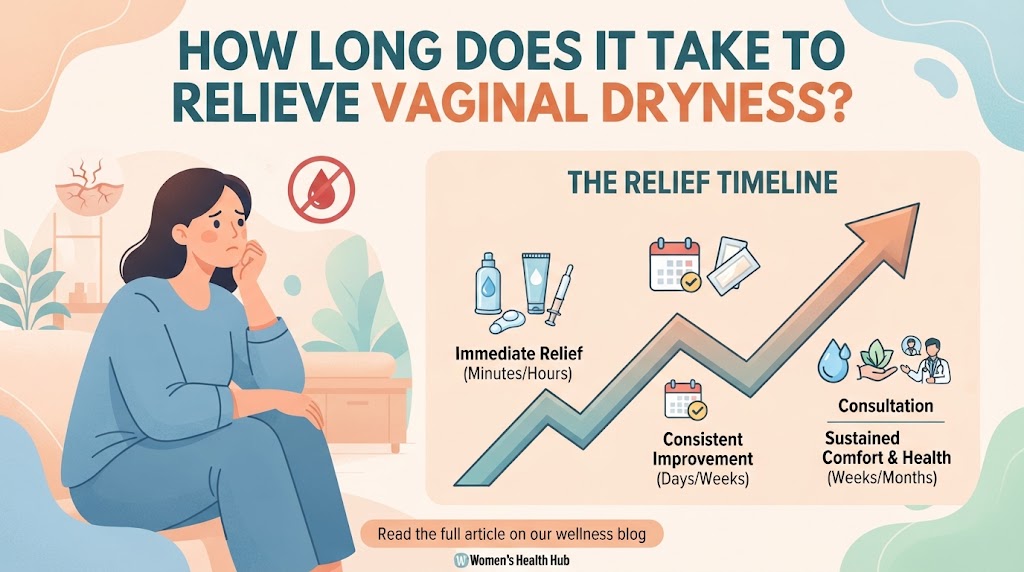
The time required for relief depends on the cause and the treatment used.
Lubricants may provide immediate relief from friction during sexual activity. Vaginal moisturizers may require regular use over days or weeks before their full benefit becomes noticeable.
Prescription treatments, including vaginal estrogen, may also take several weeks to provide substantial improvement. Follow the treatment instructions and attend any recommended follow-up appointments.
If symptoms do not improve, do not simply increase the amount or frequency of a product beyond its directions. Ask a healthcare professional to reassess the treatment plan.
Can Vaginal Dryness Be Prevented?
Click Here To Visit Website For Menopause Symptoms Treatment!..
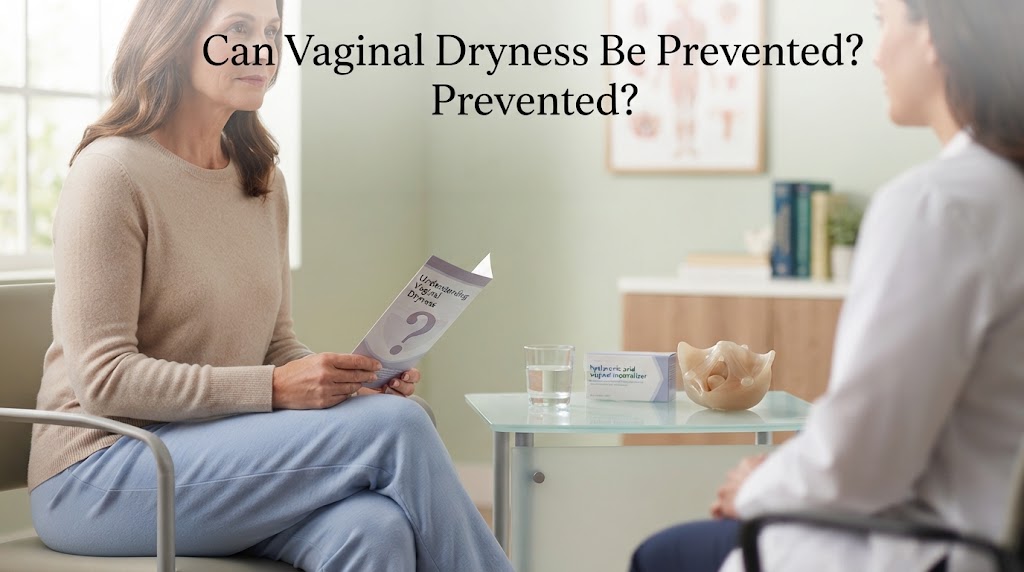
Not all cases of vaginal dryness can be prevented, particularly when they are related to menopause, breastfeeding, or necessary medical treatments. However, certain habits may reduce irritation and improve comfort.
Helpful steps include:
- Avoiding douching and scented intimate products
- Using a suitable lubricant when needed
- Choosing gentle external hygiene practices
- Seeking advice about persistent hormonal or medication-related symptoms
- Addressing discomfort early rather than ignoring it
- Attending appropriate healthcare appointments
If you anticipate dryness related to menopause, childbirth, breastfeeding, or cancer treatment, discussing prevention and treatment options with a healthcare professional may help you plan ahead.
Final Thoughts
Vaginal dryness is common, but it does not have to be something you simply tolerate. It may be related to menopause, breastfeeding, medication use, hormonal changes, irritation, or another medical condition.
Vaginal moisturizers, suitable lubricants, gentle hygiene, and healthy lifestyle habits can help relieve symptoms. For dryness associated with low estrogen, prescription vaginal estrogen or other clinician-recommended treatments may provide additional relief.
The right treatment depends on the cause, your symptoms, and your medical history. If dryness is persistent, painful, or accompanied by unusual discharge, urinary symptoms, sores, or bleeding, seek medical advice to identify the problem and receive appropriate care.
Medical Disclaimer: This article is for general educational purposes only and is not a substitute for professional medical advice, diagnosis, or treatment. Consult a qualified healthcare professional before starting prescription treatments or if you experience persistent, severe, or unusual vaginal symptoms.