
Have you ever walked into a room and suddenly forgotten why you went there? Or struggled to remember a familiar name, find the right word, or stay focused on a task? If these experiences have become more common during perimenopause or menopause, you may be experiencing what many women call menopause brain fog.
Brain fog is not a medical diagnosis, but it is a common way to describe problems with concentration, memory, mental clarity, and attention. Hormonal changes during the menopausal transition may play a role, while poor sleep, stress, hot flashes, anxiety, and lifestyle factors can make these symptoms more noticeable.
The good news is that there are several healthy habits that may support clearer thinking and overall brain health. These approaches are not guaranteed to eliminate brain fog, but they can be useful parts of a healthy menopause routine.
What Is Menopause Brain Fog?
Click Here To Visit Website For Menopause Symptoms Treatment!..
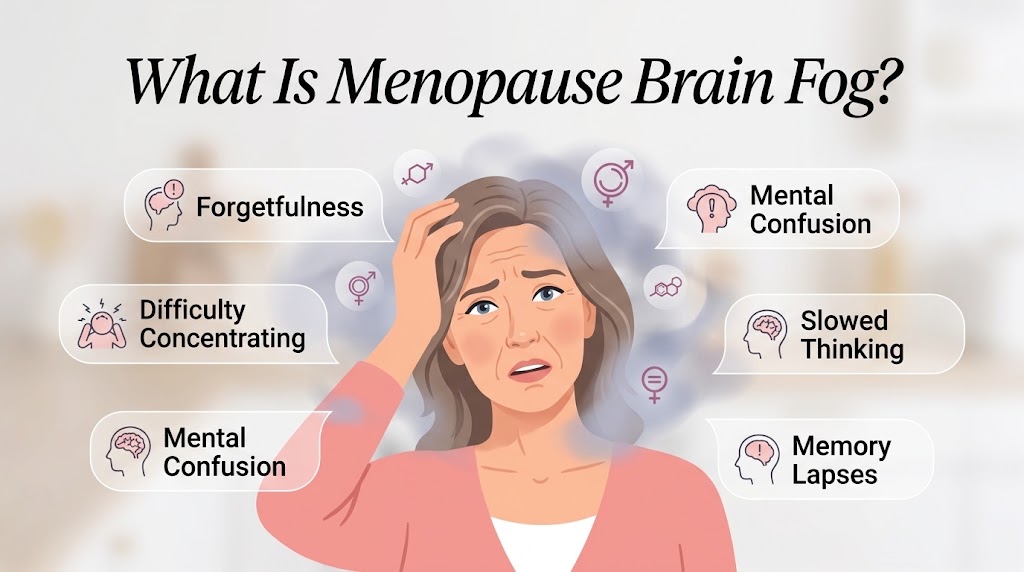
Menopause brain fog refers to temporary or noticeable changes in mental clarity that some women experience during perimenopause and menopause.
Symptoms may include:
- Forgetting names or familiar words
- Losing your train of thought
- Difficulty concentrating
- Misplacing everyday items
- Feeling mentally tired
- Taking longer to complete familiar tasks
- Difficulty multitasking
- Forgetting appointments or small details
- Feeling less mentally sharp than usual
These symptoms can be frustrating, particularly when they interfere with work, conversations, household responsibilities, or everyday activities.
It is important to remember that occasional forgetfulness does not necessarily mean that you have a serious memory disorder.
Why Does Menopause Cause Brain Fog?

Click Here To Visit Website For Menopause Symptoms Treatment!..
Hormonal changes are one possible contributor. During perimenopause, estrogen levels can fluctuate considerably before eventually declining.
Estrogen interacts with systems involved in brain function, including areas associated with memory, attention, and learning. Changes in estrogen may therefore contribute to changes in how some women experience memory and concentration.
However, hormones are not the only factor.
Poor sleep caused by night sweats or insomnia can make it harder to concentrate the next day. Stress and anxiety can also occupy mental attention, making everyday tasks feel more difficult.
Lifestyle changes and other medical conditions may contribute as well.
10 Natural Ways That May Help Menopause Brain Fog

Click Here To Visit Website For Menopause Symptoms Treatment!..
There is no single natural remedy that works for everyone. Instead, consider combining several healthy habits that support sleep, cardiovascular health, stress management, and overall brain health.
1. Get Enough Quality Sleep
Sleep is one of the most important foundations for concentration and memory.
During menopause, sleep may be disrupted by hot flashes, night sweats, anxiety, or changes in sleep patterns. Even if you spend enough time in bed, repeated awakenings can leave you feeling mentally tired the next day.
Try to:
- Maintain a consistent sleep schedule
- Keep your bedroom cool and comfortable
- Reduce bright screens before bedtime
- Develop a relaxing nighttime routine
- Limit caffeine later in the day
- Address persistent night sweats or insomnia
Improving sleep may help reduce daytime fatigue and make it easier to focus.
2. Exercise Regularly
Regular physical activity supports overall health and may also benefit brain function.
Exercise increases blood flow throughout the body and supports cardiovascular health. Physical activity can also help with stress and sleep, both of which may influence brain fog.
You do not necessarily need an intense workout.
Consider activities such as:
- Brisk walking
- Swimming
- Cycling
- Dancing
- Strength training
- Yoga
- Low-impact aerobic exercise
Aim for activities you enjoy and can perform consistently.
If you have not exercised regularly, start gradually and choose activities appropriate for your fitness level.
3. Eat a Balanced, Nutrient-Rich Diet
Your brain needs a steady supply of nutrients and energy to function properly.
Instead of focusing on one “brain food,” aim for an overall balanced eating pattern that includes vegetables, fruits, whole grains, protein sources, and healthy fats.
Foods you might include regularly are:
- Leafy green vegetables
- Berries and other fruits
- Beans and lentils
- Whole grains
- Nuts and seeds
- Fish or other protein sources
- Eggs
- Olive oil and other unsaturated fats
A balanced diet can support overall health while helping you avoid large swings in energy.
4. Stay Hydrated
Even mild dehydration can contribute to feelings of tiredness and difficulty concentrating.
Make water your primary source of hydration and drink regularly throughout the day.
Your individual fluid needs vary depending on factors such as activity, climate, diet, and health conditions.
If you exercise or spend time in hot weather, you may need additional fluids.
Instead of waiting until you feel extremely thirsty, make hydration part of your daily routine.
5. Manage Stress
Stress can make it difficult to concentrate because your attention is focused on worries, responsibilities, or perceived problems.
Menopause itself can occur during a period of major life changes, which may increase emotional and mental pressure.
Simple stress-management techniques may include:
- Deep breathing
- Meditation
- Mindfulness
- Journaling
- Walking outdoors
- Gentle stretching
- Listening to calming music
- Spending time with supportive people
Even a few minutes of intentional relaxation can provide a useful break during a busy day.
6. Try Mindfulness and Meditation
Mindfulness involves paying attention to the present moment rather than constantly focusing on past events or future worries.
Meditation and mindfulness practices may help some people manage stress and improve their ability to focus.
You can start with just five minutes a day.
Sit comfortably, breathe slowly, and focus your attention on your breathing. When your mind wanders, gently bring your attention back.
The goal is not to completely stop thinking. Instead, mindfulness helps you practice redirecting your attention.
7. Keep Your Brain Active
Your brain benefits from regular mental stimulation.
Try activities that challenge you without becoming overwhelming. For example:
- Reading
- Learning a new skill
- Doing puzzles
- Playing an instrument
- Writing
- Learning a language
- Trying a new recipe
- Taking up a creative hobby
You do not need complicated brain-training programs. Everyday learning and meaningful activities can provide mental stimulation.
The key is to choose activities that are interesting enough to keep you engaged.
8. Use Memory Aids and Organizational Strategies
Brain fog does not mean you have to rely entirely on your memory.
External reminders can reduce mental load and make everyday life easier.
Try:
- Keeping a daily to-do list
- Using calendar reminders
- Writing down appointments immediately
- Keeping frequently used items in the same place
- Using notes on your phone
- Breaking large tasks into smaller steps
For example, instead of trying to remember ten things at once, write them down and complete them one at a time.
Organization is not a sign of poor memory. It is a practical way to reduce unnecessary mental demands.
9. Reduce Habits That May Interfere With Sleep and Concentration
Certain habits can make brain fog more noticeable.
Too much caffeine, particularly later in the day, may interfere with sleep. Alcohol can also disrupt sleep quality for some people.
Smoking can affect overall cardiovascular health and is associated with several health risks.
If you notice that a particular substance or habit makes your sleep, mood, or concentration worse, consider reducing it and discussing the issue with a healthcare professional if needed.
Small, sustainable changes are usually easier to maintain than drastic changes.
10. Stay Connected With Other People
Social connection is an often-overlooked part of healthy aging and emotional well-being.
Talking with friends, spending time with family, joining a community group, volunteering, or participating in enjoyable activities can help reduce feelings of isolation and stress.
Social activities also require communication, attention, memory, and emotional interaction, providing natural mental stimulation.
If menopause symptoms have made you withdraw from activities you once enjoyed, consider gradually reconnecting with people and routines that make you feel supported.
Can Supplements Help Menopause Brain Fog?

Click Here To Visit Website For Menopause Symptoms Treatment!..
You may see supplements marketed specifically for memory, focus, or menopause-related brain fog.
However, evidence for many supplements is limited, and products can vary significantly in quality. “Natural” does not automatically mean safe.
Some supplements can interact with prescription medications or may be inappropriate for people with certain medical conditions.
Before taking a supplement for brain fog, discuss it with a qualified healthcare professional, particularly if you already take medications or several supplements.
It is generally better to focus first on proven health foundations such as adequate sleep, physical activity, balanced nutrition, stress management, and appropriate medical care.
Keep a Brain Fog and Symptom Journal
Tracking your symptoms can help you identify patterns.
For two or three weeks, record:
- When brain fog occurs
- How long it lasts
- Your sleep quality
- Stress level
- Meals and hydration
- Exercise
- Caffeine and alcohol intake
- Menopause symptoms such as hot flashes
- Medications and supplements
- Your menstrual pattern, if applicable
You may discover that brain fog is worse after a poor night’s sleep or during particularly stressful days.
Sharing this information with a healthcare professional can also make it easier to discuss your symptoms.
When Should You Talk to a Healthcare Professional?

Click Here To Visit Website For Menopause Symptoms Treatment!..
Menopause-related forgetfulness is often mild, but significant or rapidly worsening cognitive symptoms should not automatically be blamed on menopause.
Talk with a healthcare professional if:
- Memory problems are becoming progressively worse
- Brain fog interferes significantly with work or daily activities
- You frequently become confused or disoriented
- You have difficulty performing familiar tasks
- Other neurological symptoms occur
- Sleep problems are severe
- You have persistent anxiety or low mood
- You are taking medications that may affect concentration
- You are concerned that something other than menopause may be causing your symptoms
Other conditions, medication effects, nutritional deficiencies, thyroid problems, sleep disorders, depression, and anxiety can sometimes affect concentration and memory.
A healthcare professional can help determine whether further evaluation is appropriate.
What If Natural Approaches Are Not Enough?
Lifestyle changes can be helpful, but they do not guarantee that menopause brain fog will disappear completely.
If symptoms are persistent or significantly affecting your quality of life, talk with a healthcare professional about additional options.
Depending on your symptoms and medical history, your clinician may evaluate sleep problems, mood symptoms, thyroid function, medications, nutritional issues, or other possible causes.
For some women, treating troublesome menopause symptoms may also improve sleep and daytime concentration.
The right approach depends on the individual rather than a single universal treatment.
Final Thoughts
Menopause brain fog can be frustrating, but occasional forgetfulness and difficulty concentrating can occur during the menopausal transition.
Hormonal changes may play a role, while poor sleep, stress, hot flashes, anxiety, and lifestyle factors can make concentration problems more noticeable.
Healthy habits such as getting adequate sleep, exercising regularly, eating a balanced diet, staying hydrated, managing stress, practicing mindfulness, keeping your brain active, using organizational tools, limiting habits that disrupt sleep, and staying socially connected may help support clearer thinking.
If brain fog is severe, worsening, or interfering with everyday life, do not simply assume it is menopause. Discuss your symptoms with a healthcare professional so other possible causes can be considered.
The goal is not to achieve perfect memory every day. Instead, focus on supporting your overall health, reducing factors that worsen brain fog, and finding strategies that help you feel more focused and confident during the menopause transition.