Menopause is a natural stage of life, but the hormonal changes that happen during perimenopause and menopause can affect more than menstrual periods. Some women notice changes in their emotions, including irritability, sadness, anxiety, frustration, or sudden shifts in mood.
These mood swings during menopause can be especially difficult when combined with hot flashes, night sweats, poor sleep, changing relationships, or other life stresses. While hormonal changes can contribute to emotional symptoms, everyone’s experience is different.
The good news is that several healthy lifestyle strategies may help support emotional well-being during this transition. Natural approaches are not a guaranteed cure for menopause-related mood changes, but they can be useful as part of an overall self-care plan.
Here are 10 natural ways that may help manage mood swings during menopause.
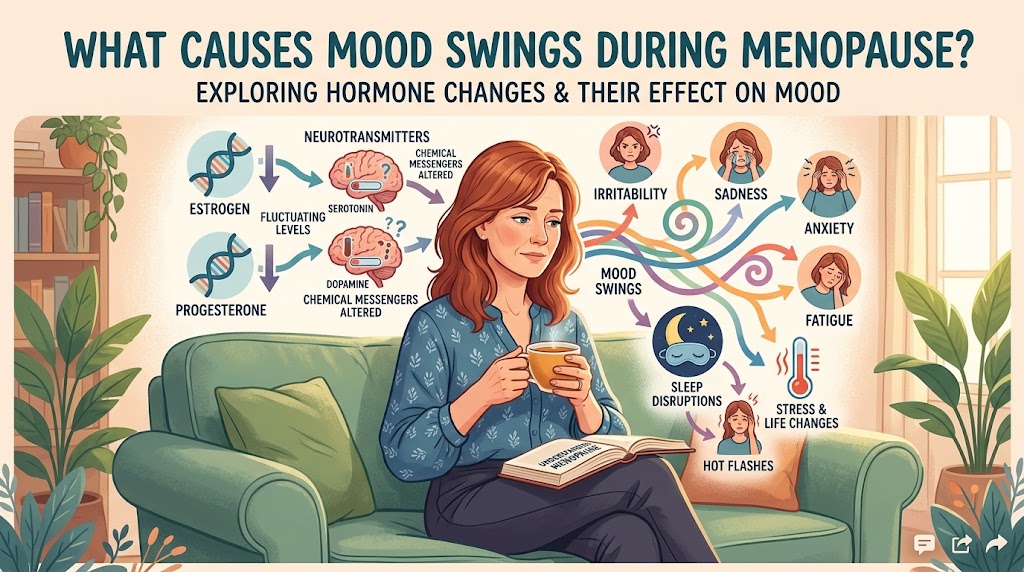
What Causes Mood Swings During Menopause?
Click Here To Visit Website For Menopause Symptoms Treatment!..
Mood changes during menopause can have several contributing factors.
During perimenopause, estrogen and progesterone levels fluctuate. These hormones interact with brain chemicals involved in mood regulation, so hormonal changes may contribute to emotional symptoms in some women.
However, hormones are not the only factor.
Poor sleep caused by night sweats, stress related to aging or family responsibilities, changes in body image, relationship concerns, and other life events can also affect mood.
Some women experience occasional irritability, while others may experience more persistent anxiety or depression.
Understanding the possible causes can make it easier to find strategies that support your emotional health.
1. Exercise Regularly
Physical activity is one of the most useful lifestyle habits for overall health during menopause.
Regular exercise can support cardiovascular health, muscle strength, bone health, sleep, and emotional well-being.
Activities such as walking, swimming, cycling, dancing, strength training, and yoga can be incorporated into a weekly routine.
Exercise may also provide an opportunity to reduce stress and spend time away from daily responsibilities.
You do not need to perform intense workouts to benefit. If you have been inactive, start gradually and choose activities that you enjoy.
Even a regular walk can be a positive addition to your daily routine.
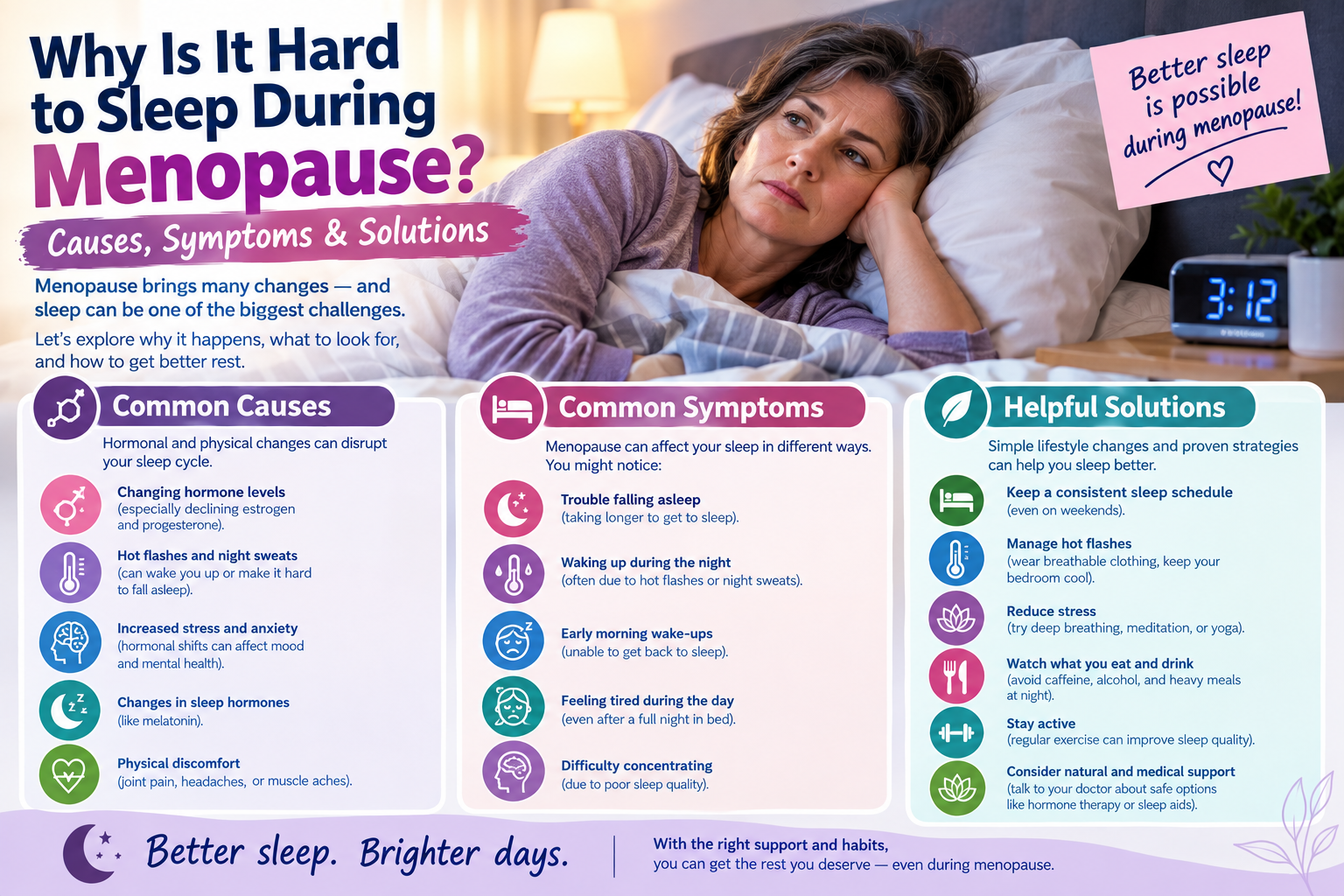
2. Prioritize Quality Sleep
Poor sleep can make mood swings feel worse.
Menopause-related hot flashes and night sweats may repeatedly wake you during the night. Sleep deprivation can then contribute to irritability, fatigue, difficulty concentrating, and emotional sensitivity during the day.
Try creating a consistent sleep schedule by going to bed and waking up at approximately the same time each day.
Other helpful habits may include:
- Keeping the bedroom cool
- Using comfortable, breathable bedding
- Limiting caffeine later in the day
- Avoiding heavy meals close to bedtime
- Creating a relaxing bedtime routine
- Limiting stimulating activities before bed
If severe night sweats or insomnia regularly interfere with your sleep, talk with a healthcare professional.
3. Eat a Balanced Diet
Nutrition plays an important role in overall physical and emotional health.
Rather than relying on highly processed foods or skipping meals, aim for balanced meals containing protein, fiber, healthy fats, fruits, vegetables, and whole grains.
Useful foods may include:
- Leafy green vegetables
- Berries and other fruits
- Beans and lentils
- Whole grains
- Nuts and seeds
- Fish
- Eggs
- Lean proteins
- Yogurt or other nutrient-rich foods
Eating regularly may also help prevent large fluctuations in hunger and energy that can make you feel tired or irritable.
There is no specific “menopause diet” that can guarantee mood stability, but a nutritious eating pattern supports overall health.
4. Practice Mindfulness and Meditation
Mindfulness involves paying attention to the present moment without immediately judging your thoughts or emotions.
Meditation and mindfulness exercises may help some women manage stress and become more aware of emotional reactions.
You can start with just five minutes a day.
Find a quiet place, sit comfortably, and focus on your breathing. When your mind wanders, gently bring your attention back to your breath.
Other practices include guided meditation, body scans, mindful walking, and relaxation exercises.
These techniques may not prevent every mood swing, but they can provide a healthy way to respond to stress and emotional changes.
5. Try Yoga or Gentle Stretching
Yoga combines movement, breathing, balance, and relaxation.
Gentle yoga may be particularly useful during menopause because it can support flexibility, strength, stress management, and body awareness.
You can try simple stretching in the morning or a short relaxation-focused yoga session before bed.
If you have joint problems, balance difficulties, or another health concern, choose movements appropriate for your abilities and consider asking a qualified professional for guidance.
Yoga should complement—not replace—appropriate medical care when emotional symptoms are significant.
6. Reduce Caffeine and Alcohol if They Affect Your Mood

Click Here To Visit Website For Menopause Symptoms Treatment!..
Caffeine and alcohol affect people differently.
Caffeine can contribute to feelings of nervousness or interfere with sleep in some individuals. Poor sleep can then make irritability and mood changes more noticeable.
Alcohol may initially feel relaxing but can interfere with sleep and may worsen emotional symptoms for some people.
If you notice that coffee, energy drinks, or alcohol are associated with increased anxiety, irritability, hot flashes, or poor sleep, consider reducing them.
You do not necessarily need to eliminate every source completely. Pay attention to your individual response.
7. Spend Time With Supportive People
Social connection can be an important part of emotional well-being.
Menopause can sometimes feel isolating, particularly if you believe that other people do not understand what you are experiencing.
Try maintaining regular contact with friends, family members, or people you trust.
You might:
- Meet a friend for a walk
- Talk with a family member
- Join a menopause support group
- Participate in a hobby group
- Spend time with people who make you feel supported
- Share your experiences with your partner
Talking openly about mood changes can also help loved ones understand that irritability or emotional sensitivity may be part of a broader transition.
You do not have to handle every change alone.
8. Make Time for Activities You Enjoy
Daily responsibilities can make it easy to neglect your own needs.
Making time for enjoyable activities can provide opportunities to relax, express yourself, and recharge.
Consider activities such as:
- Gardening
- Reading
- Painting
- Cooking
- Music
- Walking outdoors
- Crafting
- Spending time with friends
- Learning a new skill
These activities are not a replacement for treatment when depression or anxiety is significant. However, regular enjoyable experiences can contribute to a healthier lifestyle and give you something positive to look forward to.
Even 15 or 20 minutes of personal time can be worthwhile.
9. Manage Daily Stress
Stress can make emotional symptoms harder to manage.
While it is impossible to eliminate every source of stress, you can work on how you respond to it.
Start by identifying the situations that consistently leave you feeling overwhelmed.
Then consider practical changes.
For example, you might break large tasks into smaller steps, establish boundaries, reduce unnecessary commitments, or schedule regular periods of rest.
Simple relaxation techniques can also help. Slow breathing, progressive muscle relaxation, gentle stretching, and quiet time may reduce physical tension.
If you are dealing with major life stress, talking with a counselor or trusted person can provide additional support.
10. Maintain a Healthy Daily Routine
A predictable routine can provide structure during periods of emotional change.
Try to maintain regular times for:
- Waking up
- Eating meals
- Exercising
- Relaxing
- Going to bed
A daily routine does not need to be rigid.
The goal is simply to create healthy habits that support your body and mind.
Getting morning daylight, moving your body during the day, eating nutritious meals, taking breaks, and maintaining a consistent sleep schedule can all contribute to overall well-being.
Small habits performed consistently may be more sustainable than making dramatic lifestyle changes all at once.
Keep a Mood and Symptom Journal
A simple journal can help you identify patterns in your mood.
Record:
- How you feel each day
- Sleep quality
- Menstrual changes
- Hot flashes or night sweats
- Exercise
- Food and caffeine intake
- Alcohol consumption
- Stressful events
- Important changes in your routine
After several weeks, look for connections.
You may discover, for example, that your mood is noticeably worse after several nights of poor sleep or during periods of high stress.
Recognizing these patterns can help you make practical changes and provide useful information when discussing symptoms with a healthcare professional.
What About Herbal Remedies and Supplements?

Click Here To Visit Website For Menopause Symptoms Treatment!..
Many herbal products and supplements are marketed for menopause-related mood changes.
Some women consider products containing black cohosh, soy isoflavones, red clover, magnesium, or other ingredients.
However, evidence for many supplements is limited or inconsistent, and “natural” does not automatically mean safe.
Some supplements can interact with medications or may not be appropriate for people with certain health conditions.
Before starting an herbal product or supplement specifically for mood swings, discuss it with a healthcare professional.
A balanced diet should generally be the foundation of nutrition rather than relying on supplements to replace healthy eating.
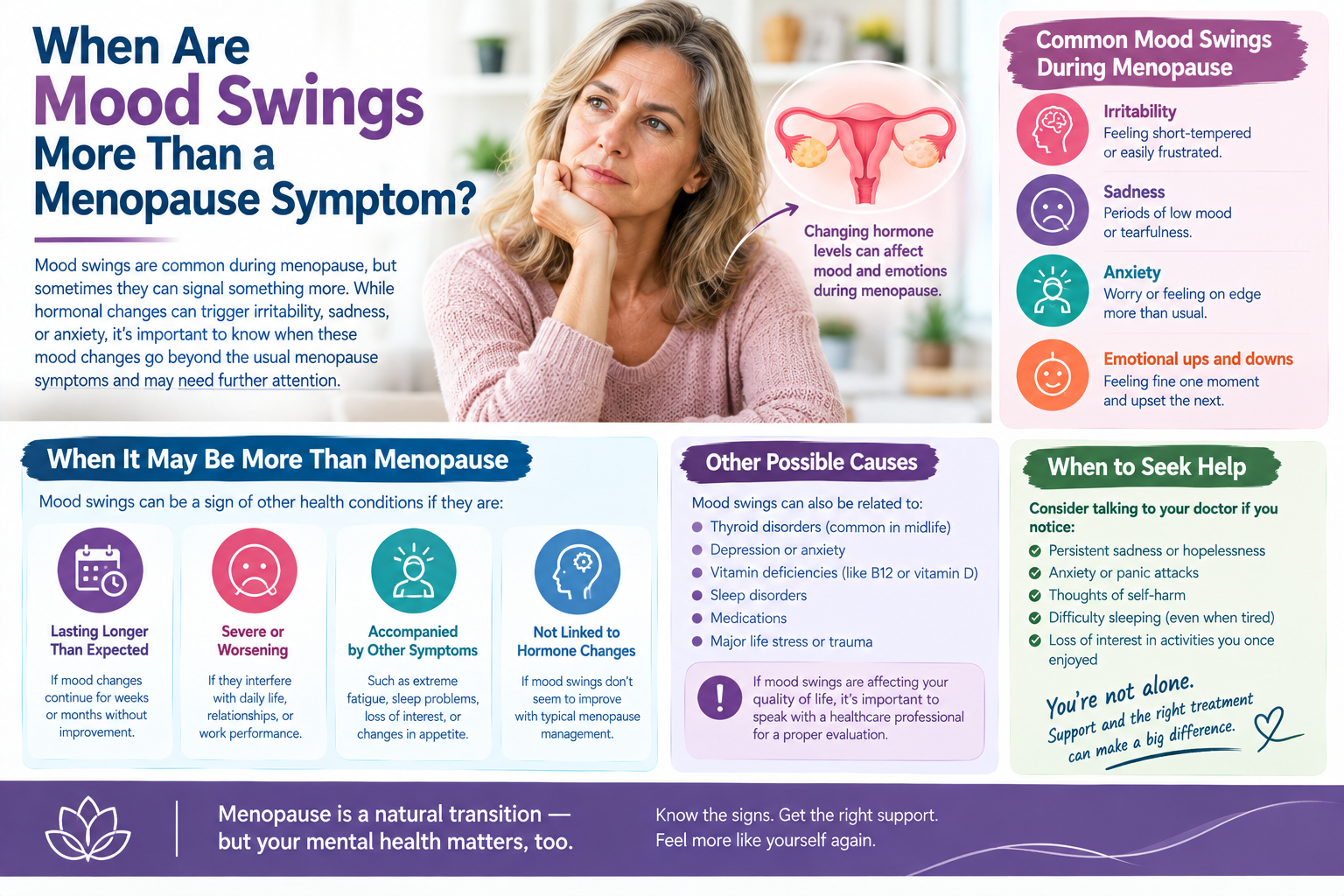
When Are Mood Swings More Than a Menopause Symptom?
Click Here To Visit Website For Menopause Symptoms Treatment!..
Occasional irritability or emotional changes can occur during menopause, but persistent or severe symptoms should not automatically be blamed on hormones.
Talk with a healthcare professional if you experience:
- Persistent sadness
- Loss of interest in activities you normally enjoy
- Severe anxiety
- Frequent panic symptoms
- Significant irritability
- Major sleep problems
- Difficulty functioning at work or home
- Feelings of hopelessness
- Thoughts of self-harm or suicide
Depression and anxiety are treatable conditions. If you have thoughts of harming yourself or feel that you may not be safe, seek urgent help from local emergency services or a crisis service and reach out to someone you trust immediately.
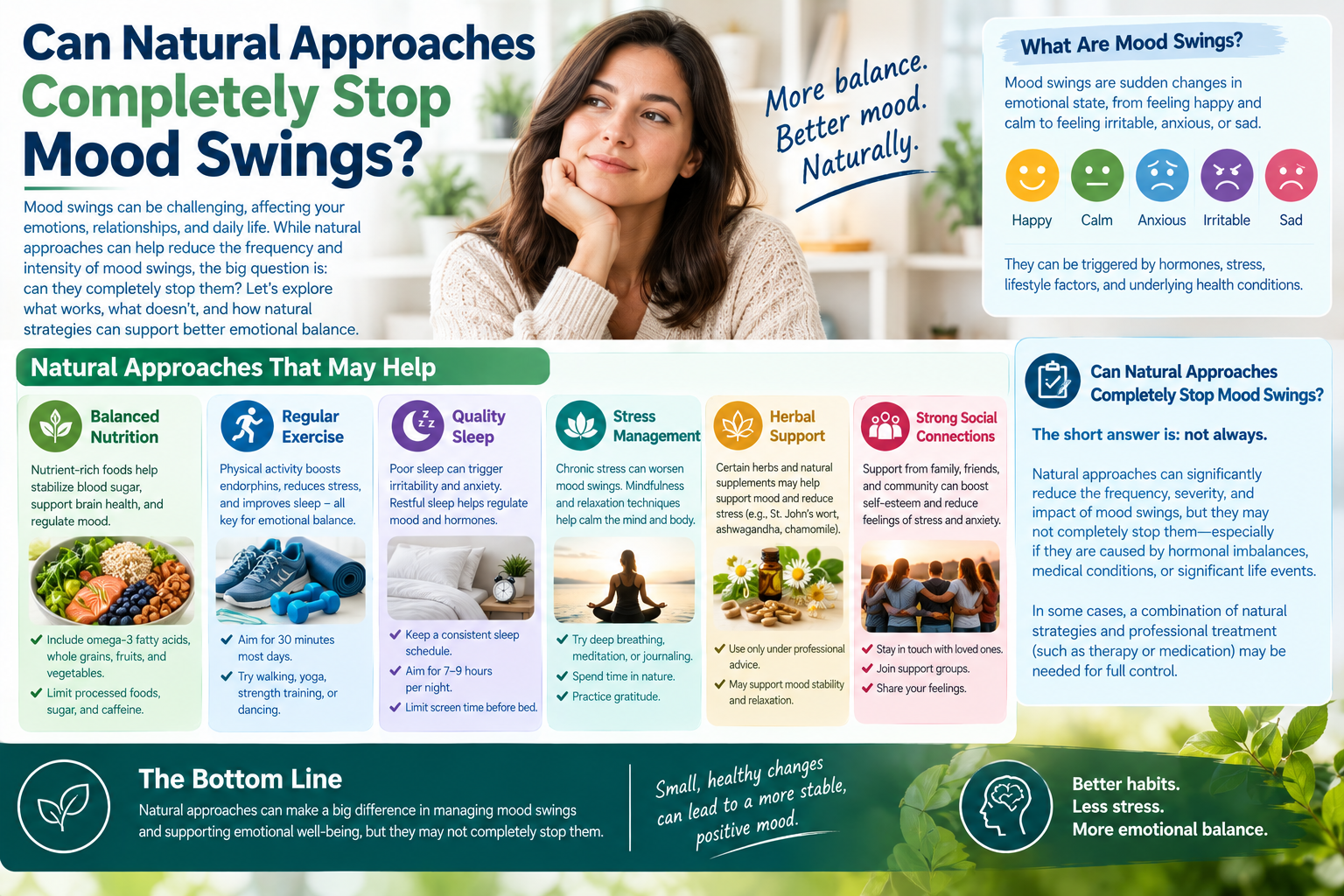
Can Natural Approaches Completely Stop Mood Swings?
Click Here To Visit Website For Menopause Symptoms Treatment!..
Natural lifestyle strategies can support emotional well-being, but they cannot guarantee that mood swings will disappear.
Menopause affects each woman differently. One person may find that exercise and improved sleep make a major difference, while another may need additional support.
The most effective approach is often individualized.
Healthy lifestyle habits can be combined with professional support when necessary. Depending on your symptoms and medical history, a healthcare professional may discuss counseling, nonhormonal treatments, menopausal hormone therapy, or other options.
Do not feel that seeking medical care means you have failed to manage menopause naturally. Getting appropriate support is part of taking care of your health.
Final Thoughts
Mood swings can be a challenging part of the menopausal transition, but there are many ways to support emotional well-being.
Regular exercise, quality sleep, balanced nutrition, mindfulness, yoga, reducing personal triggers, social connection, enjoyable activities, stress management, and a consistent daily routine may help some women manage mood changes naturally.
Start with small, realistic changes rather than attempting to change your entire lifestyle overnight. Keep a mood and symptom journal so you can identify patterns and understand what works best for you.
Most importantly, do not ignore persistent or severe emotional symptoms. Mood changes during menopause are common, but significant depression or anxiety deserves professional attention.
With the right combination of healthy habits, emotional support, and appropriate medical care when needed, menopause can be a manageable stage of life rather than something you simply have to endure.